
Let’s be honest: nobody has ever opened their overflowing email inbox and thought, “You know what would improve my life? Seventeen more notifications.” At some point, usually while answering a message that could have been a two-word reply, the mind quietly packs an imaginary suitcase. Inside are sunglasses, a swimsuit, a book we may or may not read, and absolutely no laptop charger. Suddenly, we are no longer sitting in traffic, waiting in line, or pretending to understand another unnecessary meeting. We are somewhere far away, surrounded by turquoise water, warm sand, and palm trees that have never heard the phrase “urgent deadline.” This is why everyone dreams about escaping to an island. An island vacation represents more than travel it feels like an exit door from everyday noise, responsibilities, schedules, and the strange pressure to always be doing something useful.
The Island Fantasy Begins Where Everyday Stress Ends
Plot twist: your dream island probably does not include spreadsheets. Most people imagine an island escape when ordinary life begins to feel too crowded. Our days are filled with alarms, messages, errands, traffic, bills, news updates, and people asking, “Did you see my last email?” even though they sent it four minutes ago. An island feels like the opposite of all that. It is physically separated from the mainland, and that geographical distance creates an emotional sense of distance too. Reaching an island often involves a flight, ferry, or boat, which makes the journey feel like crossing into another version of life. You are not simply visiting a new location; you are temporarily leaving your normal identity behind. On a tropical island vacation, you are no longer the person who has to remember passwords, appointments, or whether there is milk at home. You are simply the person deciding whether to swim before lunch or after lunch and somehow, that feels like an important decision.
Why Tropical Islands Feel Almost Unreal
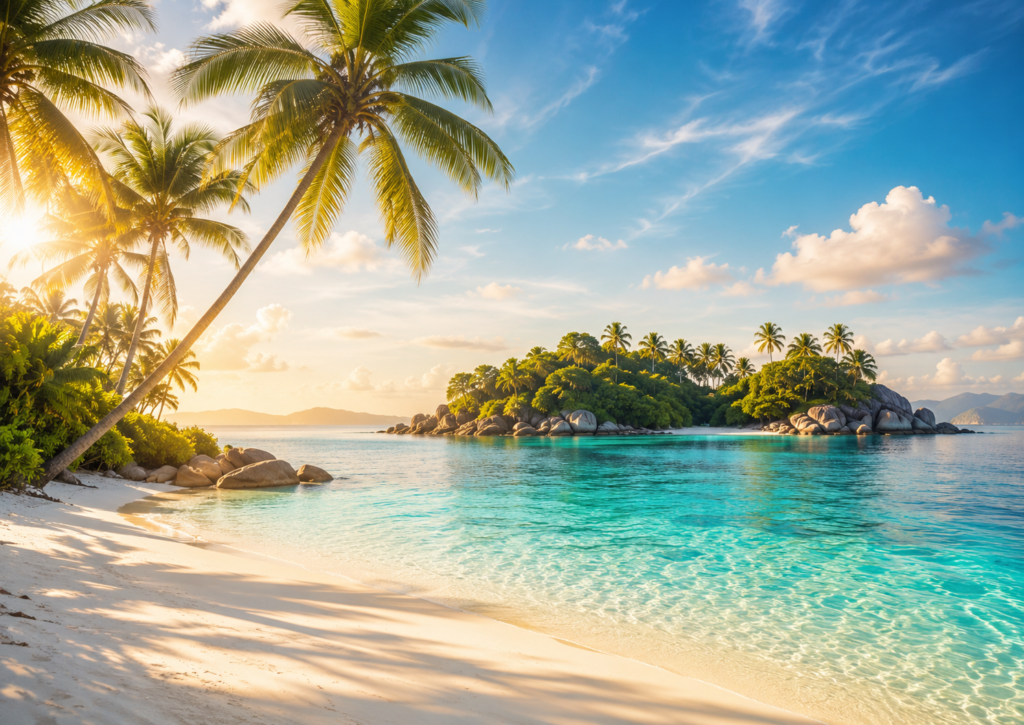
Apparently, the color blue has been doing better marketing than most global companies. When people picture a dream island getaway, they usually imagine clear blue water, bright skies, soft sand, and green palms moving gently in the breeze. These colors and natural surroundings immediately stand out from the grey roads, office walls, apartment buildings, and glowing screens that dominate everyday life. A tropical landscape feels visually softer and less demanding. There are fewer signs, fewer advertisements, fewer cars, and fewer reminders that someone somewhere wants you to buy something, answer something, or hurry somewhere. The ocean does not send calendar invitations. The palm trees do not care about productivity. Even the clouds seem to be taking their time.
Here comes the shocking news: humans generally enjoy places where nobody is drilling into a wall at 7:00 in the morning. Natural sounds are another reason why island vacations feel so relaxing. Waves arrive in a steady rhythm, leaves move with the wind, and birds provide background music without interrupting it with an advertisement. Compared with traffic horns, construction noise, phone alerts, and loud conversations, island sounds feel predictable and calm. They give the brain less information to process, which makes it easier to relax. This explains part of how spending time on an island reduces stress. The mind is not constantly preparing for the next interruption. Instead, it begins to match the slower rhythm of the surroundings. After a few days, even walking becomes slower. Meals last longer. Conversations stop feeling rushed. You begin to notice small things again, such as the temperature of the water, the smell of sunscreen, or the fact that fruit tastes much better when served near the ocean.
An Island Escape Creates the Perfect Kind of Distance
Good news: your problems cannot swim fast enough to follow the ferry. Of course, an island vacation does not permanently remove real-life challenges, but it changes how close they feel. Distance offers perspective. When you step away from your usual surroundings, you also step away from the routines and emotional patterns attached to them. A problem that felt enormous at home can begin to look more manageable when viewed from a beach chair with a cold drink nearby. This is one reason why island travel feels like therapy. It creates space between you and the constant reminders of stress. The emails may still exist, the responsibilities will still be waiting, and your laundry has probably formed its own government but for a little while, none of it is standing directly in front of you.
Naturally, the best life decisions are made while staring dramatically at the horizon. Islands encourage reflection because there is often less pressure to move quickly from one activity to another. A typical city break can become a competitive sport: visit five museums, photograph seven landmarks, find the restaurant everyone recommended, and walk 25,000 steps before dinner. A beach vacation or tropical getaway usually feels different. The main attractions are often simple: the sea, the beach, the sunset, the food, and the atmosphere. There is less need to chase experiences because the experience is already happening around you. This simplicity helps explain why island life feels less stressful. The day is not measured by how much you complete. It is measured by how present you feel.
The Appeal of Doing Less Without Feeling Bored
Breaking news: watching waves is somehow more entertaining than scrolling through 400 videos you will forget immediately. One of the strangest things about a good island vacation is that very little can happen, yet the day still feels full. You swim, eat, walk, rest, watch the sunset, and perhaps repeat the process with impressive dedication. At home, this routine might sound uneventful. On an island, it feels luxurious. That is because island destinations replace constant stimulation with deeper sensory experiences. The water is colder than expected. The sun feels warmer. The seafood tastes fresher. The evening air smells different. Even silence feels richer. You are doing less, but noticing more.
To nobody’s surprise, our brains were not designed to manage twelve open tabs and three conversations at once. Modern life trains us to expect nonstop stimulation, but constant stimulation can leave us mentally exhausted rather than satisfied. A quiet island escape allows the nervous system to settle. Without endless alerts and rapid changes of attention, the mind gets a chance to recover. This may be why people describe the mental health benefits of an island vacation in such emotional terms. They return saying they feel lighter, clearer, more creative, or more like themselves again. The destination did not magically transform them. It simply removed enough noise for them to hear their own thoughts.
Why We Associate Islands With Freedom
Fun fact: wearing flip-flops all day makes almost every responsibility feel legally optional. Islands are deeply connected with the idea of freedom. Shoes become less necessary, hair becomes less controlled, meals become less scheduled, and nobody seems particularly concerned about whether your outfit matches. During a tropical island vacation, people often allow themselves to behave differently. They swim early in the morning, eat dessert at lunch, take an afternoon nap, or spend an entire day moving between the beach and a nearby café. These small choices may seem insignificant, but they create a powerful feeling of independence. For a few days, life is guided by appetite, curiosity, weather, and mood rather than obligation.
And yes, apparently freedom sometimes looks like ordering the same coconut drink twice because the first one “evaporated.” A dream island getaway also appeals to our desire for spontaneity. Even travelers who carefully organize flights and hotels usually want the days themselves to feel open. Maybe you discover a hidden beach, join a boat trip, explore a small village, or decide to stay near the water until the sun disappears. The absence of a strict plan becomes part of the pleasure. This is what makes island destinations so appealing: they offer enough beauty and activity to keep us interested, but enough simplicity to help us breathe. They remind us that a good day does not always need to be productive, planned, or impressive. Sometimes, a good day is simply warm, slow, and slightly salty.
Conclusion: Maybe Your Mind Is Already Packing
Let’s be honest: the imaginary suitcase has been ready since the third notification of the morning. The reason so many people dream about escaping to an island is not simply the sunshine, palm trees, or the opportunity to drink something out of a coconut. An island vacation represents space, space to breathe, think, rest, reconnect, and temporarily stop behaving as though every minute must produce something. From the calming rhythm of the waves to the freedom of an empty schedule, an island escape gives the mind what everyday life often refuses to offer: permission to slow down without guilt.
Plot twist: perhaps the real luxury is not the private beach but having nowhere urgent to be. Whether you choose a lively tropical getaway, a quiet relaxing island holiday, or a simple beach vacation, the benefits can stay with you long after the sand disappears from your shoes. Island travel reminds us that happiness does not always arrive through bigger plans, faster routines, or busier schedules. Sometimes, it appears when we swim without checking the time, watch a sunset without photographing it twenty times, and enjoy a day in which almost nothing happens and that is exactly what makes it memorable.
And because every vacation mood deserves a little extra excitement, visit Eternal Slots and enjoy your favorite games from wherever you are dreaming about your next island adventure. Keep the relaxed energy going by reading “Why Doing Absolutely Nothing Can Be Good for You” a reminder that resting is not wasting time, even when your biggest achievement of the day is moving from the bed to the sofa. Play responsibly, relax properly, and tell us in the comments: Which island would you escape to if you could leave tomorrow?

You might also like











Leave A Reply