
Nothing says ‘American summer is coming’ quite like someone burning burgers while arguing over who forgot the ice. And honestly? That chaotic backyard scene is exactly why Memorial Day feels so deeply woven into American culture. For many people, it’s the unofficial beginning of summer. Pools open. Road trips begin. Stores suddenly scream about mattress sales like mattresses fought in wars themselves. But underneath the BBQ smoke, beach plans, and family gatherings sits something much deeper a story built from grief, remembrance, resilience, and national identity. The Memorial Day origins trace back to one of the most painful periods in American history, and over time, the holiday transformed into something far bigger than anyone originally imagined.
Today, people recognize the holiday through parades, flags, cemetery visits, moments of silence, and long weekends filled with family traditions. Yet many Americans still don’t fully know the real Memorial Day history, how it evolved from Decoration Day, or why this tradition continues to hold emotional weight generation after generation. The story behind Memorial Day is not just about war. It’s about memory itself. It’s about how a country chooses to honor sacrifice while still moving forward. And somehow, through decades of change, Memorial Day managed to become one of the most recognizable and emotionally layered American holidays in modern culture.
The Civil War Left More Than Battlefields Behind
If emotional damage had a physical form, the Civil War basically invented it. The United States emerged from the Civil War deeply fractured, emotionally exhausted, and carrying an unimaginable amount of grief. More than 600,000 soldiers lost their lives during the conflict, leaving families shattered across both the North and South. Entire towns had missing fathers, brothers, husbands, and sons. Cemeteries expanded rapidly, and mourning became part of everyday life. The country wasn’t simply rebuilding railroads and cities it was trying to rebuild emotionally.
This environment is where the earliest roots of Memorial Day origins began to form. Communities across America started holding informal tributes to fallen soldiers. Families decorated graves with flowers, ribbons, and handwritten notes. Former soldiers gathered to honor lost comrades. Churches held remembrance services. There was no official national structure yet. No massive organized holiday. Just people trying to process collective grief in the only way they knew how: by remembering those who never came home.
One of the most fascinating parts of the history of Memorial Day is that several towns claim to be the birthplace of the holiday. Cities in Georgia, Pennsylvania, Mississippi, Illinois, and South Carolina all argue they were first to organize remembrance ceremonies. And honestly, America arguing over who started something might be the most American thing possible. But regardless of which town technically did it first, the bigger truth remains the same the idea of honoring fallen soldiers was happening organically all across the country because the pain was everywhere.
Decoration Day: The Original Name That Started It All
Rebranding existed long before social media managers discovered Canva templates. Before Memorial Day became the holiday we know today, it was called Decoration Day. The name came from the act of decorating soldiers’ graves with flowers and flags. In 1868, General John A. Logan officially proclaimed May 30 as a national day of remembrance for Union soldiers who died during the Civil War. This announcement helped formalize the tradition and gave grieving families a collective moment to honor the fallen.
The first large-scale observance took place at Arlington National Cemetery, where thousands gathered to decorate graves and participate in ceremonies. Children carried flowers. Veterans marched. Speeches were delivered with emotional intensity. What’s powerful about these early Memorial Day traditions is how personal they felt. This wasn’t originally about commercialized long weekends or travel sales. It was intimate. Emotional. Raw. Families physically touching the graves of people they loved.
At the time, the holiday mainly honored Union soldiers. Southern states often held separate remembrance events for Confederate soldiers, creating a divided landscape of mourning that mirrored the nation’s political tensions after the war. Over time, however, the purpose of Decoration Day expanded. Following World War I, the holiday evolved to honor all American military personnel who died serving the country, not just Civil War soldiers. That shift became one of the defining moments in how Memorial Day transformed into a broader national tradition.
Why Flowers Became Such a Powerful Symbol
Flowers are basically nature’s version of saying ‘I’m emotional but trying to look composed.’ One of the most recognizable parts of Memorial Day celebration traditions has always been flowers. Long before giant flag displays and televised ceremonies became common, flowers represented remembrance in the simplest and most human way possible. People placed them gently on graves as symbols of love, memory, and respect. The act itself carried emotional meaning because flowers are temporary beautiful for a moment before fading away. In many ways, they reflected life itself.
Red poppies eventually became especially connected to Memorial Day thanks to the famous World War I poem In Flanders Fields. The image of poppies growing across battle-scarred land became a lasting symbol of remembrance. Even today, many Americans wear poppy pins around Memorial Day weekend to honor fallen service members. It’s one of those traditions that quietly survived generations without needing to scream for attention online every five seconds.
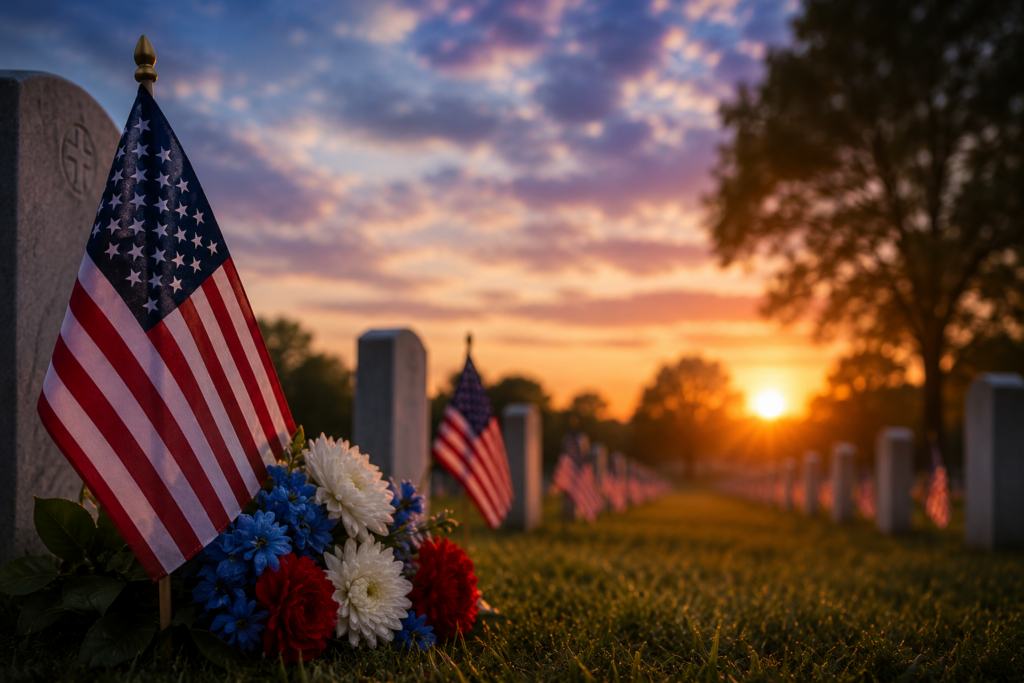
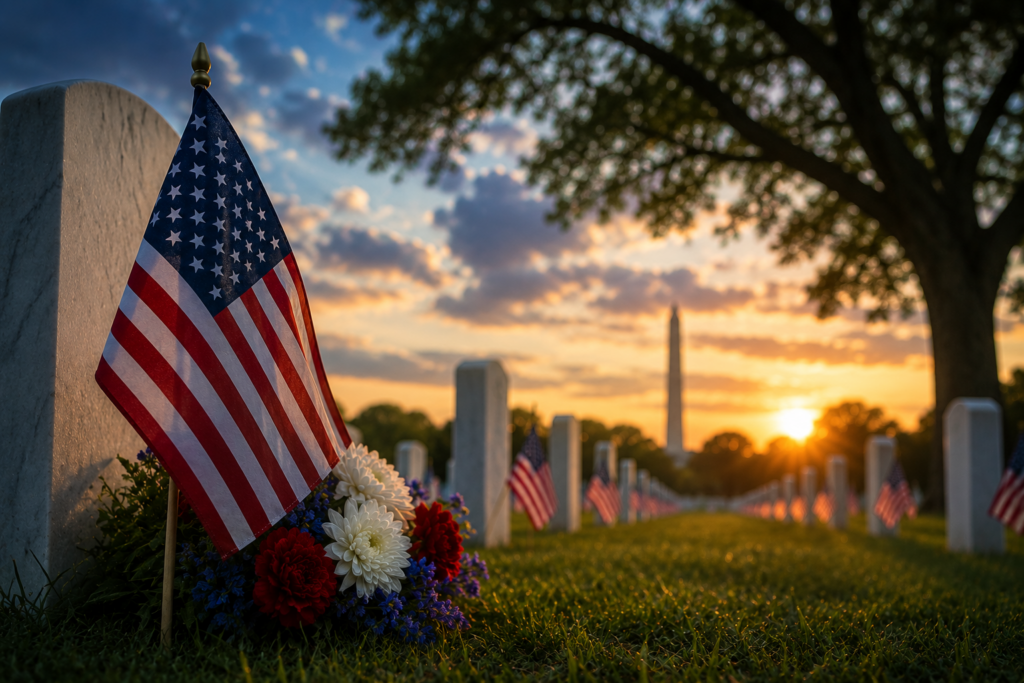
These visual traditions helped shape what Memorial Day represents in the American imagination. Flags waving in cemeteries. White headstones lined perfectly across green grass. Families gathered together in silence. Those images became emotionally tied to the identity of the holiday itself. And over time, they helped Memorial Day evolve from a post-war remembrance day into a defining piece of national culture.
How Memorial Day Became a National Holiday
America looked at a meaningful remembrance day and eventually said, ‘You know what this needs? Federal paperwork.’ The road toward Memorial Day becoming an official federal holiday took decades. For many years, Decoration Day remained widely observed but was not yet fully institutionalized nationwide. States recognized it at different times, traditions varied regionally, and the holiday’s meaning continued evolving as America entered new wars and new generations experienced military loss.
The turning point came in 1971 when Memorial Day officially became a federal holiday under the Uniform Monday Holiday Act. This law moved several federal holidays to Mondays in order to create longer weekends for workers. Memorial Day was shifted to the last Monday in May, establishing the familiar three-day Memorial Day weekend Americans know today.
That change dramatically affected how people experienced the holiday. On one hand, it allowed families more time to travel, gather, and participate in ceremonies together. On the other hand, some critics argued that the deeper meaning of the holiday risked getting overshadowed by vacations, shopping, and entertainment. And honestly, they weren’t entirely wrong. Somewhere along the way, Memorial Day became both a solemn remembrance day and a giant kickoff party for summer.
But maybe that contradiction is exactly why the holiday survived so powerfully. Americans tend to process difficult emotions through togetherness. Through cookouts. Through storytelling. And through gathering with people they love. The balance between remembrance and celebration became part of Memorial Day’s cultural identity, even if that balance sometimes feels messy.
The Traditions That Refuse to Disappear
Some traditions survive because they matter. Others survive because Grandma would absolutely lose it if they stopped. One of the reasons Memorial Day remains emotionally important is because its traditions continue to connect generations. Families visit cemeteries together. Flags are placed beside graves. Small-town parades still move through streets lined with people holding folding chairs and iced drinks under the sun. Veterans march proudly while old patriotic songs echo through speakers that probably haven’t been updated since 1997.
Many Americans observe a National Moment of Remembrance at 3 PM local time on Memorial Day. For one minute, people are encouraged to pause and reflect on those who died in military service. It’s a simple gesture, but incredibly powerful. In a world obsessed with scrolling endlessly through notifications, one quiet minute of reflection almost feels revolutionary.
Another major tradition tied to the history behind Memorial Day traditions is the American flag itself. Flags are flown at half-staff until noon to honor the fallen, then raised to full-staff afterward as a symbol of resilience and continuation. That symbolic transition captures something essential about Memorial Day: grief and hope existing together at the same time.
The holiday also became deeply tied to community events. Baseball games, charity runs, military tributes, concerts, and neighborhood gatherings all became part of the broader Memorial Day celebration experience. Over time, the holiday expanded emotionally beyond military families alone. It became a national ritual shared across generations, backgrounds, and communities throughout the United States.
Conclusion
Americans really said, ‘Let’s honor history, cry a little, grill a lot, and somehow make all of it emotionally meaningful.’ And honestly, that combination perfectly explains why Memorial Day continues to matter generation after generation. The Memorial Day origins began with grief, remembrance, and communities trying to heal after unimaginable loss, but over time, the holiday evolved into something much bigger a tradition that represents memory, unity, sacrifice, and togetherness across the United States.
Even today, the meaning behind Memorial Day still lives in the small moments: flags placed carefully beside graves, stories shared at family tables, quiet reflections during ceremonies, and communities coming together every single year to remember those who gave everything. That’s what turned Memorial Day from Decoration Day into an American icon.
And after the family BBQs, beach trips, and Memorial Day celebrations are over, maybe keep the good vibes rolling with some entertainment at Eternal Slots and don’t forget to check out the blog Slot Winning Streak on Horseman’s Prize: Three Wins in One Session for a wild story about back-to-back wins that felt luckier than finding a parking spot at a Memorial Day cookout.
What’s your favorite Memorial Day tradition the BBQs, the parades, the road trips, or the family gatherings? Drop it in the comments and let’s see which tradition really owns the weekend.








Leave A Reply