
Nothing exposes your emotional stability like hearing the first three seconds of ‘Have Yourself a Merry Little Christmas’ in a supermarket in early November. There’s something suspicious going on every holiday season: one minute you’re casually minding your business, and the next BAM Mariah Carey hits a whistle note and suddenly your soul is on the floor, your childhood is flashing before your eyes, and you’re wondering why a song about Santa feels like a TED Talk about your entire life. As kids, Christmas music was just background noise while we demolished cookies and tried to guess which presents had the loudest plastic inside.
But as adults?
Oh no. Now it’s therapy. Now it’s emotional archaeology. Now one sleigh bell jingle has the audacity to unlock 27 memories you didn’t ask to revisit.
Christmas music doesn’t just “sound nice.”
It reaches into adulthood like a gentle emotional burglar, stealing your composure and replacing it with “I need a moment.”
And honestly?
We kind of love it.
Psychology behind Christmas music nostalgia
- Psychology behind Christmas music nostalgia
- Why Christmas songs feel more emotional as we get older
- How childhood holiday memories influence our reaction to Christmas music
- Why adults cry at Christmas music more than kids do
- Emotional reasons Christmas music feels deeper in adulthood
- How holiday stress and nostalgia shape our response to music
- How Christmas music triggers core memories from childhood
- Conclusion: Why Christmas Music Hits So Much Harder as an Adult
If scientists ever need proof nostalgia is real, just play ‘Last Christmas’ to any adult who’s been heartbroken at least once. The reason holiday music feels deeper with age comes down to something psychologists call emotional encoding. In simple terms: your brain grabs certain sensory experiences from childhood sounds, smells, lights, songs and stores them in a special memory vault labeled ‘Do Not Open Unless It’s December.’
So when Christmas music starts playing, even if you’re currently paying taxes, worrying about inflation, or spiraling over how expensive wrapping paper is… your brain goes:
“Wait!
I know this one.
This is from the era when life was simple and my biggest problem was my mom saying I couldn’t open presents until after breakfast.”
The holiday nostalgia psychology behind Christmas music is basically your mind trying to hug you.
And because adults are often running on caffeine and burnout, that hug hits harder than ever.
Why Christmas songs feel more emotional as we get older
Adulthood is wild because one day you realize the lyrics to ‘I’ll Be Home for Christmas’ aren’t just words they’re a threat. When we’re little, songs about “coming home” or “missing someone” don’t mean anything. Home is automatic. Everyone is around. Christmas is a guarantee.
But when you grow up?
Suddenly:
- People move.
- Relationships change.
- Friends scatter.
- Traditions shift.
- You learn what ‘bittersweet’ actually means.
So now, when Bing Crosby croons about longing, or when a choir sings about peace and comfort, it hits a different emotional frequency one tuned perfectly to the adult heart. Christmas music becomes less about Santa and more about everything we’ve lived through, everything we’ve lost, everything we still hope for.
You hear the same notes…
But now you hear the meaning behind them too.
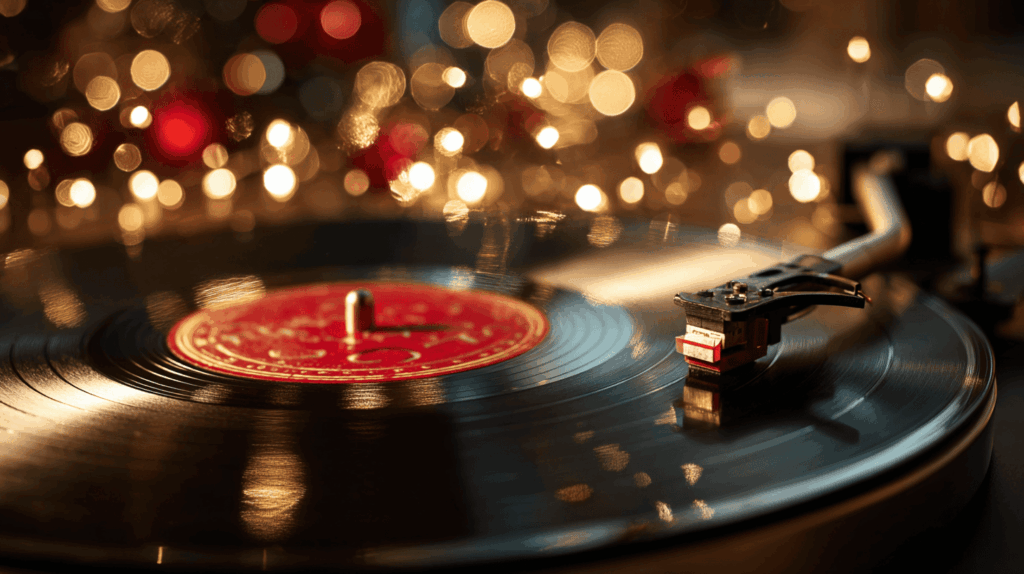
How childhood holiday memories influence our reaction to Christmas music
Every adult has that one Christmas song that instantly transports them back to a living room with tinsel, oranges, cookies, and relatives arguing about politics. Every Christmas song is basically a sonic time machine.
The jingling bells?
Those are the ones from the mall where you begged for a toy.
The soft piano intros?
That’s the soundtrack of your mom decorating the tree.
The big choir finales?
That’s school pageants you crushed even though your only line was ‘Merry Christmas!’
Children don’t analyze memories they just absorb vibes.
So now, as adults, Christmas music acts like a key unlocking a vault filled with:
- The smell of pine
- The warmth of family gatherings
- The excitement of gifts
- The feeling of belonging
- The magic you didn’t realize was magic at the time
This is why Christmas music nostalgia feels different now because your adult brain is revisiting memories with a tenderness that only comes with age.
Why adults cry at Christmas music more than kids do
Kids cry because Santa didn’t bring them a Nintendo. Adults cry because Michael Bublé said the word ‘home.’ Children don’t cry at Christmas songs they’re too busy being feral on hot chocolate and sugar cookies.
Adults, however?
Adults will tear up at the faintest note of “Silent Night.”
We cry because holiday music taps into:
- Sentimental longing
- Family members who aren’t here anymore
- Traditions we miss
- The pressure of the season
- The exhaustion of adulthood
- The beauty of feeling something deeply
Honestly, crying at Christmas music might be the most normal adult behavior ever.
It’s your brain saying, “Reminder: you have feelings. Isn’t that sweet and inconvenient?”
Emotional reasons Christmas music feels deeper in adulthood
Christmas music is basically emotional Wi-Fi: the connection gets stronger the older you get. There are several reasons it hits harder:
1. You understand the lyrics now.
“Chestnuts roasting on an open fire” sounds poetic.
As an adult, you know chestnuts taste mid, but the concept feels warm and nostalgic.
2. You’ve lived through enough Decembers to compare them.
You know what changed.
What stayed.
What you wish you could get back.
3. Holidays carry emotional weight.
Joy, stress, love, grief they all show up like uninvited relatives.
4. Music is a memory-trigger on steroids.
Hear it once = feel everything at once.
Christmas music becomes the soundtrack of your entire emotional evolution.
How holiday stress and nostalgia shape our response to music
Holiday stress is the seasoning that makes Christmas music taste like feelings. Adults carry December like a weighted blanket made of:
- Gift lists
- Bills
- Travel plans
- Relationship expectations
- Work deadlines
- Family drama
- Social obligations
So, when Christmas music starts playing, the brain uses it as a pressure valve.
Some songs calm you.
Some remind you of joy.
Others make you emotional because you’re running on 37% holiday magic and 63% overwhelm.
Stress + nostalgia =
A recipe for instant emotional combustion.

How Christmas music triggers core memories from childhood
Core memory unlocked” should honestly be the official slogan of holiday playlists. The moment you hear a familiar intro, your brain fires up old memories even if you haven’t thought about them in decades:
- The first tree you decorated
- Your favorite childhood toy
- A warm hug from someone you miss
- The sound of your family laughing
- The excitement of waking up early to open presents
Children make memories without knowing they’re important.
Adults revisit them knowing exactly how precious they were.
And that is why Christmas music feels like emotional teleportation.
Conclusion: Why Christmas Music Hits So Much Harder as an Adult
If adulthood has taught us anything, it’s that one jingle bell can emotionally body-slam you without warning. Christmas music isn’t just a playlist it’s a portal. A soft-glowing, cinnamon-scented, memory-infused portal that drags you through every December you’ve ever lived. As kids, we sang the songs. And as teens, we tolerated them. As adults? We feel them deeply, unexpectedly, and sometimes embarrassingly in the middle of a grocery store aisle while holding discounted wrapping paper.
The truth is simple:
Holiday songs hit harder now because we’ve collected more life.
More memories.
More joy.
And more heartbreak.
More people we miss.
More moments we want back.
And more reasons to feel something when the music starts playing.
Christmas music becomes the emotional narrator of our grown-up December experience blending nostalgia, hope, longing, and comfort into one soundtrack that reminds us of who we were, who we are, and who we’re still becoming.
So, this year, when a Christmas song hits you unexpectedly hard, just smile and let it.
It means your heart’s still open.
It means your memories matter.
And it means you’re living a life rich enough to have stories worth revisiting.
And if you’re already deep in the holiday feels, keep the festive energy going by spinning some reels on Eternal Slots the place where Christmas magic and lucky wins collide all season long.
Plus, if you love exploring why nostalgia hits differently now, check out our other blog: Why Holiday Nostalgia Hits Hard in Your 20s and 30s for an even deeper dive into the emotional side of December.
Now tell me in the comments:
Which Christmas song hits you the hardest and what memory does it bring back?
You might also like











Leave A Reply