
Let’s be honest nothing turns fully grown adults into emotional potatoes faster than a countdown. One minute you’re cool, scrolling your phone, pretending time is fake. The next minute someone yells “TEN!” and suddenly your heart is racing like it owes money. This is where the psychology of countdown moments begins not in the clock, but in the way our brains interpret approaching endings. A countdown isn’t just numbers going down; it’s your brain screaming, “Something is about to change, pay attention!” And humans, bless us, are absolute suckers for moments that feel final, symbolic, or irreversible.
Countdowns: The Theater Kids of Human Psychology
- Countdowns: The Theater Kids of Human Psychology
- Why Time Feels Louder When It’s Running Out
- The Brain Loves Endings (Even When They Hurt)
- Anticipation: The Emotion That Lies to Us
- Why New Year’s Countdowns Hit Different
- Excitement and Anxiety: Same Feeling, Different Outfit
- Why People Get Weirdly Honest at “Three… Two…”
- The Power of Counting Together
- Why Humans Are Obsessed With Countdowns
- The Dangerous Promise of Instant Transformation
- What Happens After the Numbers Hit Zero
- Conclusion: When the Countdown Ends, the Meaning Begins
If countdowns were people, they’d be dramatic theater kids. They demand attention, build suspense, and insist everyone looks at them at the same time. That’s because countdown psychology taps directly into our anticipation systems. The brain loves predicting outcomes it releases dopamine not when something happens, but when it expects something to happen. Each number falling is like a tiny drumroll, telling your nervous system: Stay alert. Something important is coming. This is why countdowns feel intense even when nothing tangible changes afterward.
Why Time Feels Louder When It’s Running Out
Here’s the wild part: countdowns hijack time itself. During a countdown, seconds feel heavier, louder, more meaningful. This is time pressure psychology at work. When we’re aware that time is limited, our brain switches into urgency mode. The same 10 seconds that feel invisible in daily life suddenly feel cinematic. That’s why people cry at midnight but not at 12:01 because the emotional weight isn’t about the time passing, it’s about time running out.

The Brain Loves Endings (Even When They Hurt)
Your brain treats countdowns like emotional deadlines. Miss the moment and boom it’s gone forever. This is why countdown moments meaning goes deeper than celebration. Countdowns create a psychological “edge,” a line between before and after. Humans are obsessed with edges: birthdays, deadlines, breakups, fresh starts. A countdown makes that edge visible. It gives chaos a shape. And our brains love structure, even when the structure is stressful.
Anticipation: The Emotion That Lies to Us
Let’s talk about anticipation the real villain here. Anticipation is sneaky. It convinces you that the future moment will emotionally solve everything. This is the core of the psychology of anticipation. During a countdown, your brain projects hope, fear, excitement, and regret all at once. That’s why people feel emotional during countdowns even when nothing objectively big is happening. Your brain isn’t reacting to reality; it’s reacting to possibility.
Why New Year’s Countdowns Hit Different
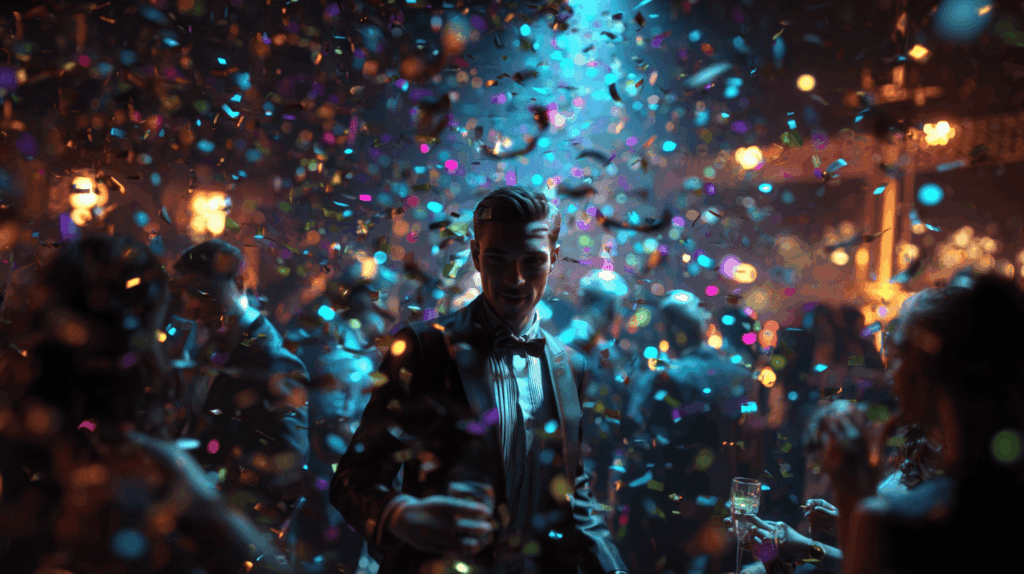
New Year’s Eve is basically anticipation on steroids. The New Year countdown psychology is especially powerful because it stacks meanings: endings, beginnings, reflection, expectation, and social pressure all compressed into ten seconds. Your brain is forced to process the entire year while also imagining the next one. No wonder people cry, kiss strangers, or suddenly swear they’re changing their life at midnight. Neurologically speaking, it’s chaos with confetti.
Excitement and Anxiety: Same Feeling, Different Outfit
Countdowns don’t just create excitement they also create anxiety. That shaky feeling in your chest during a countdown? That’s the countdown effect on emotions doing a two-for-one deal. Excitement and anxiety share the same physiological response: increased heart rate, heightened alertness, emotional sensitivity. The brain doesn’t always know the difference it just knows something big is coming. This explains why countdowns feel intense, even when the outcome is neutral.
Why People Get Weirdly Honest at “Three… Two…”
Ever notice how people become weirdly honest right before a countdown ends? That’s because countdowns lower emotional defenses. When time feels limited, the brain prioritizes meaning over politeness. This is a survival trait when the clock is ticking, authenticity becomes more valuable than appearances. That’s why confessions, hugs, apologies, and dramatic declarations tend to happen during countdown moments. The psychology of countdown moments explained boils down to this: urgency strips the filter.
The Power of Counting Together
And yes countdowns mess with group behavior too. Humans synchronize emotionally during countdowns. When everyone counts together, the brain mirrors the group’s energy. This is countdown and human behavior in action. Collective anticipation amplifies individual emotion. That’s why a countdown alone feels flat, but a countdown in a crowd feels electric. Emotion is contagious, and countdowns are perfect transmission devices.
Why Humans Are Obsessed With Countdowns
If you’ve ever wondered why people obsess over countdowns, here’s the uncomfortable truth: countdowns give us the illusion of control over time. They pretend that if we watch the ending closely enough, we can emotionally prepare for it. This is why humans are obsessed with countdowns they turn uncertainty into a ritual. Even if nothing changes, it feels like it did.
The Dangerous Promise of Instant Transformation
But here’s where it gets interesting (and slightly dangerous). Countdown moments can trick us into believing transformation happens instantly. Midnight hits, the clock resets, and we expect emotional renewal on command. This expectation gap is why post-countdown crashes happen. The psychological meaning of countdown moments isn’t that change occurs it’s that we hope it will. And hope, while beautiful, is emotionally exhausting.
What Happens After the Numbers Hit Zero
So what happens after the countdown ends? Why does the energy drop so fast? Why do people feel oddly empty minutes later? That’s where the real psychology begins what your brain does when anticipation collapses into reality, and why the after matters just as much as the moment itself.
Conclusion: When the Countdown Ends, the Meaning Begins
Let’s be real after the countdown ends, the confetti settles faster than your New Year’s resolutions. The numbers hit zero, everyone cheers, and then… silence. And that quiet moment is exactly where the psychology of countdown moments reveals its real power. Countdowns don’t change our lives in ten seconds but they frame our lives in a way our brains understand. They turn time into a story with a beginning, a buildup, and a climax, even if the next chapter looks suspiciously like the last one.
The reason countdown moments feel so powerful isn’t magic it’s meaning. Through countdown psychology, we see how anticipation compresses emotions, how time pressure sharpens awareness, and how shared counting bonds people together. Countdowns give structure to uncertainty, permission to feel deeply, and a socially accepted moment to hope out loud. That’s why countdown anticipation psychology creates both excitement and anxiety your brain is trying to process endings and beginnings at the same time.
But the real win comes when you stop expecting the countdown to do the work for you. The psychological meaning of countdown moments isn’t instant transformation it’s awareness. The countdown highlights where you are, what you’re feeling, and what you’re quietly wishing would change. What you do after the numbers hit zero is where growth actually lives.
And if you’re riding that post-countdown energy and want to keep the adrenaline (and good vibes) going, this is the perfect moment to channel it into something fun. Fire up the excitement and play on Eternal Slots, where the thrill doesn’t stop at zero and every spin feels like its own little countdown to possibility.
For a deeper dive into why midnight feels so emotionally powerful, don’t miss our related read:
Why Midnight on December 31 Feels Like a Reset Button it pairs perfectly with this mindset and explains why that exact moment hits so hard every single year.
So next time you’re staring at a countdown New Year’s Eve, a launch, a deadline, or even a microwave timer pause for half a second. Notice what you’re hoping for. Notice what you’re afraid of. That emotional spike is data, not drama. Use it.
Now your turn:
Which countdown moment in your life felt the most intense and what do you think it was really counting down to?

You might also like









Leave A Reply