
If you’ve ever wondered why your non-sports friends suddenly start talking about football once a year, congrats you’ve met the Super Bowl effect. The Super Bowl is the NFL championship game, but calling it “just a game” is like calling New Year’s Eve “just a night.” It’s the moment when sports, pop culture, money, food, ads, music, and chaos all collide into one massive Sunday. The Super Bowl decides the champion of the NFL season, but more importantly, it decides who gets bragging rights, who becomes a legend, and who will be painfully replayed in highlight reels for the rest of their life.
For many people, this isn’t even about football. It’s about the event the parties, the halftime show, the commercials, the snacks, the bets, and the shared experience. The Super Bowl is one of the rare moments when millions of people around the world are watching the exact same thing at the exact same time, yelling at their TVs like it’s a family tradition (because… it is).
Super Bowl LX: Why the 60th Super Bowl Is a Big Deal
- Super Bowl LX: Why the 60th Super Bowl Is a Big Deal
- When Is the Next Super Bowl (And Why Is It Always a Whole Weekend)?
- Super Bowl History and Traditions: How It All Became This Big
- The Super Bowl Halftime Show: A Concert With a Football Break
- Super Bowl Commercials: Ads That Feel Like Mini Movies
- Why the Super Bowl Is the Biggest Sports Event (Not Just in the U.S.)
- Conclusion: Why February 9 Feels Bigger Than Just Another Sunday
Turning 60 is usually when people start lying about their age but not the Super Bowl. It flexes harder. Super Bowl LX, also known as the 60th Super Bowl, isn’t just another chapter it’s a milestone. Sixty editions of drama, dynasties, miracles, heartbreaks, and moments that turned players into immortals. The upcoming Super Bowl isn’t only about who wins; it’s about celebrating six decades of a sport that mastered the art of spectacle.
The next Super Bowl is expected to be bigger, louder, shinier, and more over-the-top than ever. Why? Because the NFL understands something perfectly: attention is currency. And the Super Bowl is the most valuable attention slot in sports history. Everything from the opening ceremony to the final confetti drop is designed to feel historic, even before the kickoff happens. Super Bowl LX represents evolution. Faster athletes, smarter plays, insane production value, global broadcasting, and digital reach that goes far beyond the stadium. It’s not just an American event anymore it’s a worldwide moment.
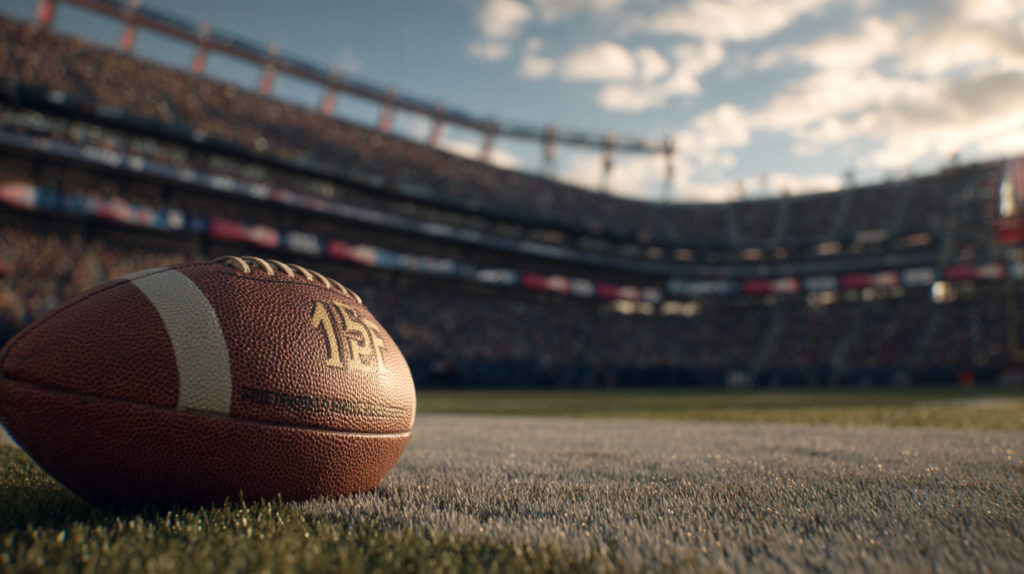
When Is the Next Super Bowl (And Why Is It Always a Whole Weekend)?
The Super Bowl lasts one day, but somehow eats an entire weekend and your Monday productivity. Technically, the Super Bowl game is played on a Sunday evening, usually in early February. But culturally? That’s adorable. In reality, Super Bowl weekend starts days earlier. Media days, celebrity appearances, concerts, brand events, influencer chaos, and pre-game analysis that could power a small city.
People plan their schedules around it. Flights get booked. Parties get organized. Food orders triple. Offices quietly accept that Monday will be… emotionally unavailable. The Super Bowl isn’t watched it’s prepared for. That anticipation is part of the magic. The countdown builds tension, speculation, trash talk, and excitement. By the time kickoff arrives, you feel like you’ve been training for it emotionally even if you don’t know a single player’s name.
Super Bowl History and Traditions: How It All Became This Big
The Super Bowl started modestly. Then it discovered fame and never looked back. The first Super Bowl was played in 1967, long before it became the cultural monster it is today. Back then, tickets weren’t impossible to get, commercials weren’t cinematic masterpieces, and halftime shows didn’t shut down social media. Over time, the game grew alongside television, marketing, and pop culture.
Traditions formed naturally and then turned sacred:
- The coin toss that somehow feels dramatic every year
- The Lombardi Trophy presentation that defines careers
- The halftime show that sparks debates louder than the game
- The commercial breaks that people actually look forward to
What makes the Super Bowl history fascinating isn’t just who won it’s how the event evolved. The NFL didn’t just protect tradition; it upgraded it. Every year, the show gets tighter, bigger, and more emotionally charged.
The Super Bowl Halftime Show: A Concert With a Football Break
Some people wait all year for football. Others wait all year for 13 minutes of music. The Super Bowl halftime show is arguably the most watched live music performance on the planet. Artists don’t perform for ticket sales they perform for history. This is where legends cement their status and where moments go viral in seconds.
The brilliance of the halftime show lies in its pressure. One stage. One chance. No rewinds. No do-overs. Just pure spectacle designed to impress hardcore fans, casual viewers, and people who accidentally tuned in while looking for Netflix. The show reflects culture. It changes with the times. It blends nostalgia, controversy, celebration, and pure entertainment. Whether people love it or hate it, they talk about it. And that’s exactly the point.
Super Bowl Commercials: Ads That Feel Like Mini Movies
The only night when people shush each other… for commercials. Super Bowl entertainment and commercials are a category of their own. Brands spend millions not just to advertise but to be remembered. This is where humor, emotion, shock, and storytelling all fight for attention in 30 seconds.
Some commercials make you laugh. Others make you emotional. A few make you say, “Wait… what did I just watch?” And the best ones live on for years, replayed long after the final whistle. Why does this work? Because the Super Bowl audience isn’t passive. They’re engaged, hyped, and ready to judge. A great ad becomes part of Super Bowl history. A bad one becomes a meme for the wrong reasons.
Why the Super Bowl Is the Biggest Sports Event (Not Just in the U.S.)
It’s called “football,” but somehow the rest of the world still shows up. The Super Bowl cultural impact goes far beyond American football. It’s broadcast globally, streamed digitally, discussed on every platform, and followed by people who may never watch another NFL game all year.
This is what makes the Super Bowl different from other championships. It’s not just about the sport it’s about shared attention. It’s about being part of a moment everyone else is experiencing at the same time. That’s why the Super Bowl became a global event. It mastered storytelling, anticipation, spectacle, and tradition. It understands how to turn competition into culture.
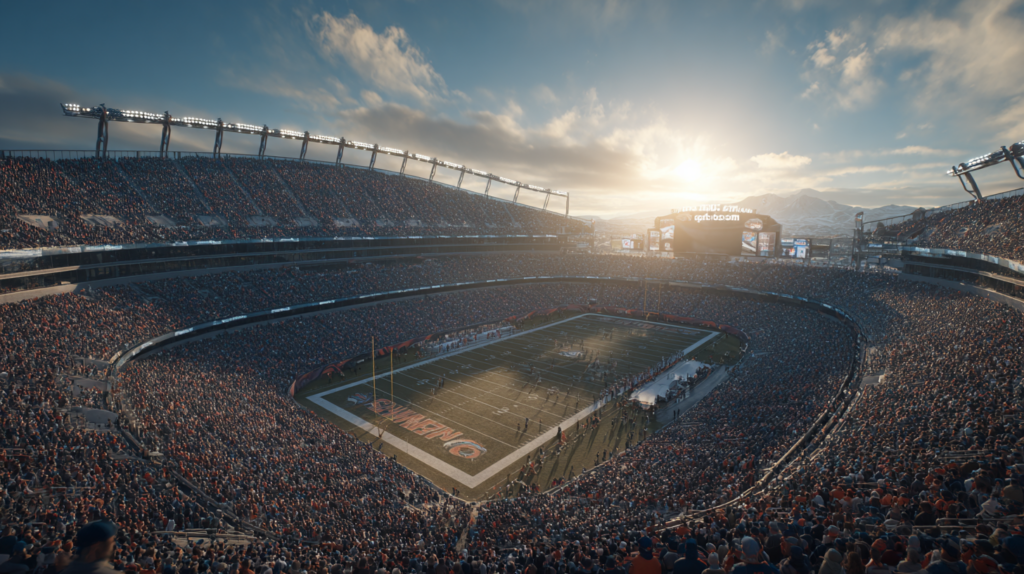
Conclusion: Why February 9 Feels Bigger Than Just Another Sunday
February 9 isn’t just a date it’s the unofficial global holiday for snacks, shouting at TVs, and pretending we understand every play.
The Super Bowl, taking place on February 9, proves once again why this event exists in a league of its own. It’s not only the final battle of the NFL season it’s a cultural reset button. For one night, time zones blur, routines pause, and millions of people tune in for the same reason: to feel something together.
What makes the Super Bowl unbeatable isn’t just the football. It’s the buildup, the tension, the halftime spectacle, the commercials people judge harder than the game itself, and the traditions that repeat every year like a ritual you pretend you’re not superstitious about. Super Bowl LX carries the weight of history and the energy of what’s next, blending legacy with modern chaos in the most entertaining way possible.
And if you’re planning to make Super Bowl Sunday even more exciting, this is the perfect moment to spin the action over at Eternal Slots, where the game-day adrenaline doesn’t stop when the final whistle blows. Big moments deserve big wins and Super Bowl night is all about riding that winning energy.
Before kickoff, don’t forget to check out our blog “Super Bowl LIX: The History and Tradition of America’s Biggest Sporting Event” to dive deeper into how this legendary event became the cultural giant it is today. Consider it your pre-game warm-up minus the risk of pulling a hamstring.
Now your turn:
Do you watch the Super Bowl for the game, the halftime show, or the commercials?
Drop it in the comments and be honest

You might also like










Leave A Reply