
Fame is like clicking “I agree” on terms and conditions without reading them and then being shocked when your life becomes a reality show. The fame vs privacy conversation usually starts too late. Nobody sits down with a coffee and says, “I’d love success, recognition, influence… and also strangers analyzing my childhood photos.” Fame is sold as applause, money, and validation, but the fine print is brutal. Once your name starts circulating, privacy quietly packs its bags and leaves without saying goodbye. This is where privacy and fame stop being romantic opposites and start acting like exes who can’t be in the same room. Your life becomes public property, your mistakes become headlines, and silence becomes suspicious. The irony? The more famous you are, the less control you have over what people think they’re entitled to know.
Life in the Public Eye Is Loud Even When You’re Silent
- Life in the Public Eye Is Loud Even When You’re Silent
- Why Fame Quietly Eats Privacy First
- Social Media Didn’t Create the Problem It Weaponized It
- Celebrity Boundaries Are Misunderstood by Design
- The Cost of Fame on Personal Life Is Rarely Glamorous
- Can You Have Fame and Privacy at the Same Time?
- Why We’re Obsessed With Other People’s Private Lives
- Conclusion: Fame Doesn’t Kill Privacy Confusion Does
Being famous is realizing you can’t even blink without someone turning it into a personality trait. Life in the public eye doesn’t clock out. There is no “off” switch, no weekend mode, no invisible cloak. Even when you’re doing absolutely nothing, the internet is doing everything. Every outfit is a statement, every post is a message, and every absence is a theory. This constant visibility fuels media attention pressure, where being quiet is interpreted as hiding something and setting boundaries is labeled as arrogance. The world confuses access with entitlement, and suddenly your personal life feels like a group project you never agreed to join. Public life vs private life stops being a balance it becomes a tug-of-war where privacy keeps losing.
Why Fame Quietly Eats Privacy First
Fame doesn’t steal your privacy dramatically it just borrows it and never gives it back. One of the most uncomfortable truths is the loss of privacy with fame happens gradually. It starts with harmless curiosity, then escalates into constant surveillance disguised as admiration. People want to know who you’re dating, what you eat, how you feel, and why you look tired today. The question “why fame destroys privacy” isn’t philosophical it’s structural. Fame thrives on visibility, and privacy thrives on absence. They’re built on opposite mechanics. Once your value is tied to attention, disappearing becomes risky. This is where celebrity privacy becomes less about secrecy and more about survival.
Social Media Didn’t Create the Problem It Weaponized It
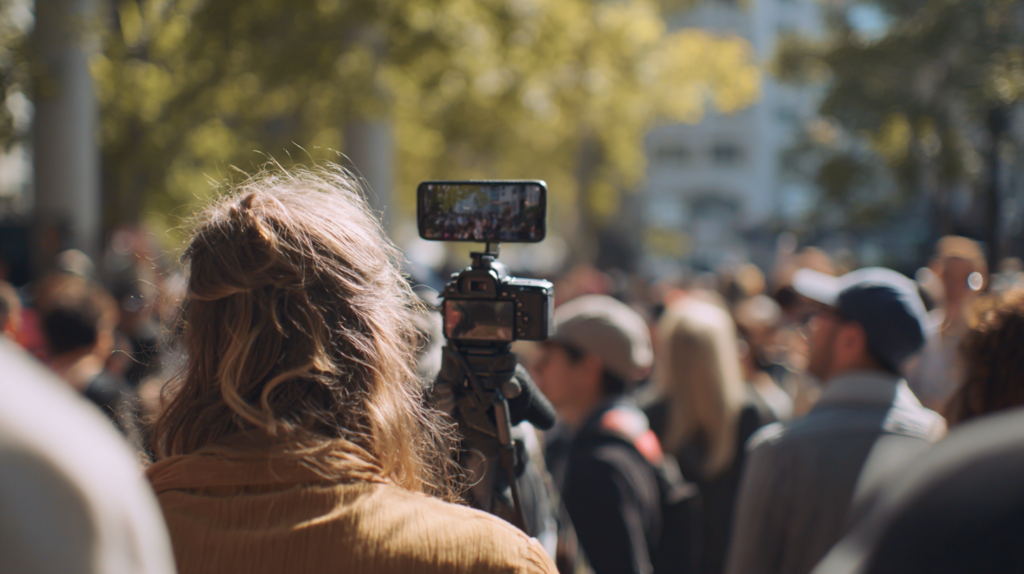
Social media turned privacy into a luxury item you can’t afford once you’re famous. The debate around fame vs privacy in the age of social media hits differently because platforms blurred the line between personal and performative. Fame used to live on stages, screens, and magazines. Now it lives in your pocket, your notifications, your comments section at 3 a.m. The pressure to be “relatable” while being untouchable is exhausting. Overshare, and you lose mystery. Pull back, and you’re accused of being distant. This is where people start asking, “is privacy possible when you are famous?” The uncomfortable answer: maybe, but only if you’re willing to disappoint people.
Celebrity Boundaries Are Misunderstood by Design
Setting boundaries as a celebrity is like telling the internet “no” emotionally brave, statistically risky. Celebrity boundaries are often framed as attitude problems rather than mental health strategies. When famous people say “this is private,” the public hears “I think I’m better than you.” But boundaries aren’t about superiority they’re about sustainability. Without them, fame becomes invasive, not empowering. The pressure to always be available creates a distorted relationship where fans feel ownership instead of connection. This is where public life vs private life collapses entirely, and personal identity starts to blur into brand identity.
The Cost of Fame on Personal Life Is Rarely Glamorous
Fame pays well, but the emotional invoice is always overdue. The cost of fame on personal life shows up in unexpected places: strained relationships, paranoia, isolation, and the constant need to perform normalcy. Fame magnifies everything love, hate, success, failure and leaves no room for quiet processing. This directly ties into fame and mental health, where anxiety, burnout, and emotional exhaustion are treated as side effects rather than warning signs. Living in constant observation rewires how you think, act, and even feel. The psychological effects of living in the public eye are subtle but relentless you start editing yourself even when no one is watching.
Can You Have Fame and Privacy at the Same Time?
Want fame and privacy? That’s like ordering a salad and expecting dessert calories not to count. The question “can you have fame and privacy at the same time” doesn’t have a clean yes-or-no answer. Some manage it better than others, but it requires intentional withdrawal, strong boundaries, and a willingness to lose public approval. How celebrities protect their privacy often involves selective visibility sharing controlled narratives instead of raw access. But this comes with trade-offs. You might keep your peace, but you lose some relevance. And in a culture obsessed with constant presence, absence feels risky.
Why We’re Obsessed With Other People’s Private Lives
We don’t want privacy for ourselves we want exclusivity to everyone else’s. The obsession with celebrity privacy says more about us than about them. Watching other people live publicly distracts us from our own insecurities. Fame becomes entertainment, and privacy becomes optional as long as it’s not ours. The paradox is wild: we demand transparency from famous people while protecting our own boundaries fiercely. This imbalance fuels the media attention pressure cycle, where personal moments become content and vulnerability becomes currency.
Conclusion: Fame Doesn’t Kill Privacy Confusion Does
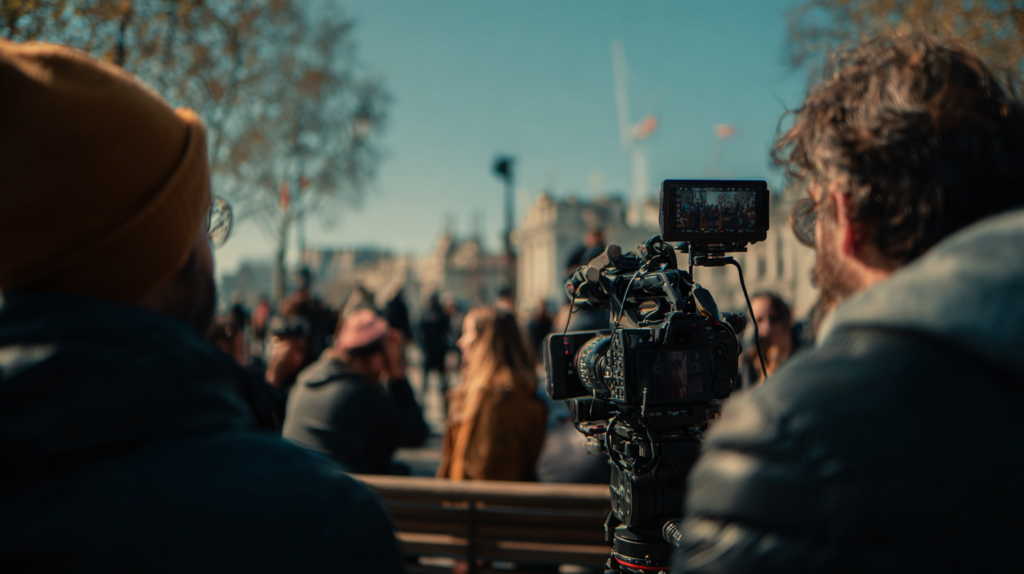
Fame and privacy aren’t enemies they’re just terrible roommates who never agreed on house rules. So, fame vs privacy isn’t really a question of whether you can have both, but how much you’re willing to protect one to survive the other. Fame doesn’t automatically destroy privacy entitlement does. The belief that visibility equals access, that admiration equals ownership, and that public success cancels the right to personal space is where everything breaks down. In the age of constant sharing, the real rebellion isn’t going viral it’s staying whole.
The truth is, privacy and fame can coexist, but only when boundaries are treated as non-negotiable, not optional. Living life in the public eye doesn’t mean surrendering your inner life, but it does require discipline, self-awareness, and the courage to disappoint people who want more than you can safely give. The loss of privacy with fame isn’t always caused by attention itself it’s caused by the pressure to perform intimacy instead of choosing intention.
At the end of the day, fame is loud, fast, and hungry. Privacy is quiet, slow, and protective. You don’t lose privacy because you’re famous you lose it when you forget that your personal life is not part of the deal. Not everything needs to be shared, explained, or justified. And maybe the real flex in today’s digital world isn’t being seen everywhere it’s knowing when to disappear and still feel complete.
And if you’re looking for a break from the noise a place where entertainment stays entertainment and your personal space remains yours sometimes the healthiest reset is logging off, unwinding, and playing a few rounds on Eternal Slots, where fun doesn’t demand your identity. If this topic hit close to home, make sure to also read The Pressure of Staying Relevant in the Age of Social Media because relevance culture and privacy loss are two sides of the same very loud coin.
Now it’s your turn:
If fame knocked on your door tomorrow, what part of your life would you protect at all costs and what would you be willing to share? And what are you choosing fame vs privacy?

You might also like









Leave A Reply