
The morning already started badly in the first second. The alarm goes off, your eyes barely open, and your brain asks the only question that truly matters before you become a functioning human: coffee or energy drink? It sounds like a small decision, but it’s anything but random. Your choice says more about you than your zodiac sign, your Spotify Wrapped, and that “just a chill person” Instagram bio combined. When we talk about coffee or energy drink personality, we’re really talking about habits, rhythm, control, and how you deal with a world that expects you to be “on” all the time.
The Coffee Drinker Personality: Ritual Over Chaos
- The Coffee Drinker Personality: Ritual Over Chaos
- Energy Drink Personality: Speed, Pressure, and Instant Results
- Caffeine Habits and Personality: It’s Not About the Caffeine
- Coffee Culture vs Energy Drink Culture: A Lifestyle Signal
- Energy Drink Users Psychology: Performance First, Comfort Later
- Impulsive vs Ritual-Based Caffeine Habits
- The Question That Changes Everything
- Conclusion: It Was Never About the Drink
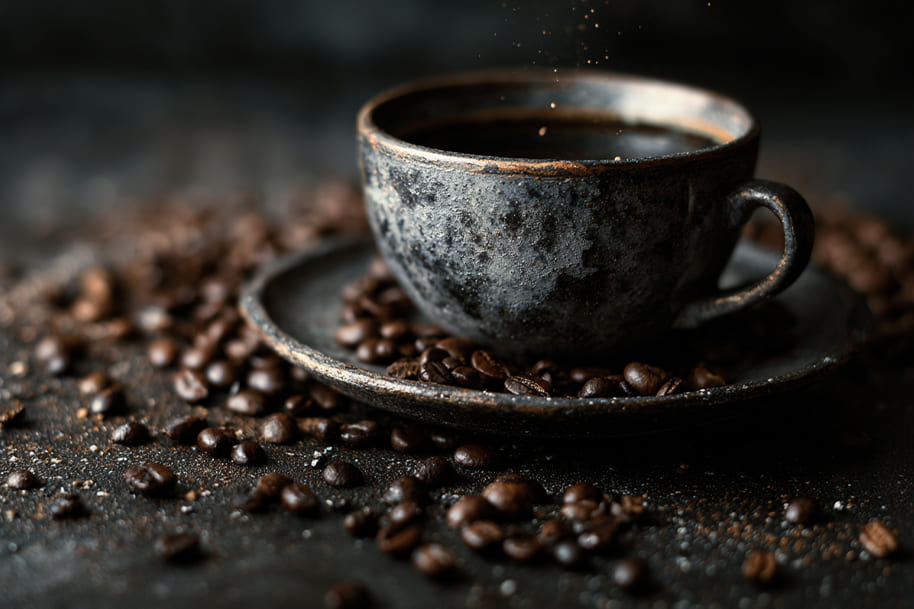
If you choose coffee, chances are you don’t like chaos you like ritual. The coffee drinker personality is often tied to structure, consistency, and a sense of control. You’re not drinking coffee just for caffeine; you’re drinking the moment. The smell, the mug, the first sip, the pause before the day starts demanding things from you. Coffee isn’t a quick fix for you it’s a daily agreement with yourself that at least five minutes will belong to you. That says a lot about your habits and personality traits: you value predictability, but not boredom; routine, but not autopilot. Coffee lovers’ behavior often reflects people who plan ahead, think long-term, and prefer easing into momentum instead of being thrown into it.
Energy Drink Personality: Speed, Pressure, and Instant Results
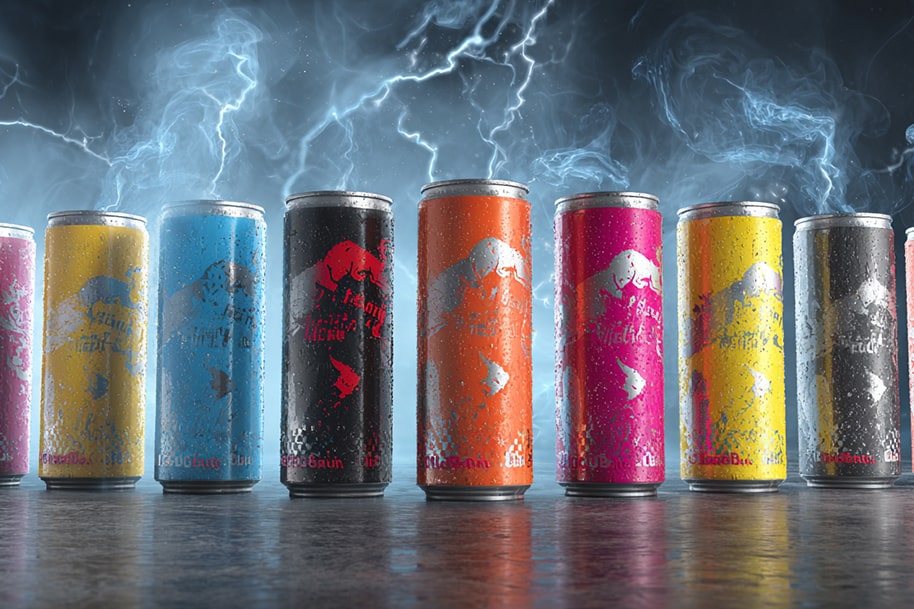
If you reach for an energy drink, your message is clear: “I don’t have time for ceremonies.” The energy drink personality is strongly connected to speed, impulsiveness, and the need for immediate effect. You don’t wait for something to brew you crack open a can and move on. This choice is common among people who live in intense bursts: deadlines, workouts, gaming sessions, night shifts, back-to-back calls. Energy drink users’ psychology shows a pattern of people who are used to pressure and thrive in high-intensity cycles. You’re not chasing calm you’re chasing a boost.
Caffeine Habits and Personality: It’s Not About the Caffeine
Here’s the twist: caffeine isn’t the real main character psychology is. When we talk about caffeine habits and personality, we’re not just discussing a stimulant, but how you regulate energy, focus, and stress. The difference between coffee drinkers vs energy drink lovers often shows up in how people respond to pressure. Coffee drinkers tend to manage stress by slowing it down and structuring it. Energy drink users try to overpower it. One group tames chaos with ritual; the other neutralizes it with intensity. It’s not about what’s better it’s about what works for you.
Coffee Culture vs Energy Drink Culture: A Lifestyle Signal
Coffee is often tied to identity, not just taste. The divide between coffee culture vs energy drink culture isn’t a marketing illusion it’s a lifestyle signal. Coffee is linked to conversations, planning, writing, and intentional pauses. It’s a core part of morning routines and personality for people who want to start the day consciously. The coffee drinker personality often includes introspective thinkers, planners, and people who prefer to understand the day before reacting to it.
Energy Drink Users Psychology: Performance First, Comfort Later
Energy drinks send a very different message: “There’s no time, but there’s ambition.” And energy drink users’ behavior patterns frequently show multitaskers living in constant motion. Focus comes in short, powerful waves rather than long, steady stretches. These are people who work late, train early, jump between responsibilities, and ignore fatigue until it forces itself into the conversation. Caffeine consumption psychology here is driven by performance not pleasure. Let’s be honest: most people don’t drink energy drinks for the flavor. They drink them for results, right now.
Impulsive vs Ritual-Based Caffeine Habits
One of the clearest differences is impulse versus ritual. In the debate around impulsive vs ritual-based caffeine habits, coffee almost always wins as the ritual drink, while energy drinks represent spontaneity. Coffee drinkers often have their mug, their time, their place. Energy drink users switch brands, flavors, and timing based on mood, convenience, or whatever’s cold in the fridge. That difference mirrors how decisions are made in other areas of life carefully versus instinctively.
The Question That Changes Everything
So here’s the real question and it’s not about taste. Do you choose a drink that slows you down and centers you, or one that pushes you past your limits? Does your caffeine choice reflect a need for control or a need for power? In the second part, we’ll go deeper into how caffeine choice reflects personality, productivity habits, mental performance, and why people stay emotionally loyal to “their” drink even when they know they probably shouldn’t.
Conclusion: It Was Never About the Drink
Let’s be honest this was never really about coffee or energy drinks. It was about how you move through life. Your coffee or energy drink personality reflects your rhythm: coffee drinkers lean into ritual and control, while energy drink lovers thrive on speed, pressure, and instant results. Neither choice is better it just reveals how you handle focus, stress, and momentum.
What matters most is that your habits work for you. Caffeine preferences evolve with lifestyle, workload, and mindset. Sometimes you need calm structure; sometimes you need a hard push forward. The psychology behind caffeine choices is flexible just like you.
Now it’s your turn.
Are you Team Coffee or Team Energy Drink and why? Drop a comment and defend your choice
And while you’re at it, unwind with a few spins at Eternal Slots and check out our blog “Why Games of Chance Are So Popular Across Cultures” to see how habits, psychology, and risk-taking connect worldwide.
You might also like








Leave A Reply