
RTP vs Volatility is the most useful way to choose the right online slots because it separates two things players constantly mix up. RTP in slots is long-run return. Slot volatility is how that return is distributed, which is why the same bankroll can feel smooth on one game and brutal on another.
If your goal is to stop guessing and start picking games that fit your style, this is the framework.

RTP in Slots Explained Without the Fluff
- RTP in Slots Explained Without the Fluff
- What Volatility Means in Online Slots for Beginners
- RTP vs Volatility in Online Slots Explained as a Player Choice
- RTP vs Volatility Which Matters More When Choosing a Slot
- How to Find RTP Information on Online Slots
- How to Pick a Slot Based on RTP and Volatility
- Is high RTP Always Better in Online Slots
- Why RTG is a Perfect Example for RTP vs Volatility
- RTG Slots Sorted by Volatility Lane
- How RTP and Volatility Affect Bonus Features and Free Spins
- Slot Myths That Keep Players Stuck
- The Clean Rule to End the Confusion About RTP vs Volatility
Online slots RTP is the percentage a game is designed to return across massive numbers of spins. It is not a prediction of your personal results, and it does not promise that a “96 percent RTP” slot will treat your bankroll gently. Your session can still swing wildly, because RTP is long-term and randomness is short-term.
That is why the question is not only “what is the RTP,” but also “how will the slot behave while I am playing.”
What Volatility Means in Online Slots for Beginners
Volatility measures the risk level of a slot by looking at how often it tends to pay and how large those wins tend to be.
Low volatility slots generally feel more active, with frequent smaller hits. High volatility slots can feel quiet, then suddenly deliver a larger hit, which is exciting but harder on smaller budgets.
RTP vs Volatility in Online Slots Explained as a Player Choice
Think of RTP as the long-term budget and volatility as the mood of the session.
If you are the type who hates long dead stretches, volatility is your priority. If you are playing many sessions and comparing games within the same volatility lane, RTP becomes a better comparison tool.
RTP vs Volatility Which Matters More When Choosing a Slot
For most players, volatility is the daily driver because it decides whether your balance lasts long enough to enjoy the game. High RTP does not automatically mean low volatility, and that mismatch is where many “good RTP” picks go wrong.
How to Find RTP Information on Online Slots
Check the game’s info or help section first. Some casinos also provide RTP and volatility summaries, and demo mode can help you feel how swingy a slot is before you commit real bankroll.
How to Pick a Slot Based on RTP and Volatility
Here is a practical selection method that works across any provider.
Start with your bankroll reality
If you are playing a smaller bankroll, choose low volatility slots or mid-low. If you have the patience and the bankroll to absorb swings, high volatility slots can make sense.
Then decide what you want from the session
If you want frequent action and lower stress, stay low to medium volatility. If you want bigger-hit potential and can handle longer cold stretches, go high volatility.
Finally, use RTP as your tie-breaker
Within the same volatility lane, favor the higher online slots RTP when you can verify it.
Is high RTP Always Better in Online Slots
Not always, because your session experience is driven by volatility. A high RTP slot can still be a rough ride if the payouts are concentrated into fewer outcomes. That does not make it “bad,” it just means you should not treat RTP like a comfort rating.
Why RTG is a Perfect Example for RTP vs Volatility
RTG is often discussed in RTP and volatility conversations because it is known for combining high RTP and high volatility in many titles, including by using win caps that affect how payouts are distributed.
So if you are writing a slot-focused post, adding a few RTG examples makes the concept feel real.
RTG Slots Sorted by Volatility Lane
Low volatility RTG
Plentiful Treasure is described as a low volatility RTG game. If your keyword angle includes best slots for low risk low volatility, this is the type of example that fits.
Mid-low volatility RTG
Dragon Orb is listed with mid-low volatility in its game data. This is a solid example for players who want stability but still want a chance for meaningful line hits.
Fish Catch is also listed with mid-low volatility in its game data, making it another steady-session example.
Medium volatility RTG
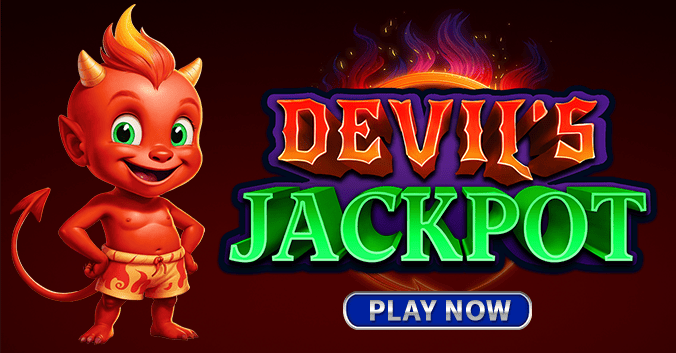
Devil’s Jackpot is shown with medium volatility, and it is also described as medium volatility. This makes it a clean “middle lane” example for RTP vs volatility in online slots explained.
Ancient Gods is described as medium volatility, along with an RTP reference in the same passage.
Charms of the Forest is described as a medium-volatility RTG slot, which can be useful if you want a newer RTG title mentioned in the post.
High volatility RTG
Cash Bandit Museum Heist is explicitly described as high volatility in its review text. This is a strong example for best slots for high volatility big win potential style search intent.
Cash Bandits 3 also includes community feedback describing “high volatility” behavior, which matches how players talk about this series in real life, though it is presented as player feedback rather than a formal spec.
Zhanshi is described as a low RTP, high volatility slot, and it is a useful example if you want to show that RTP and volatility do not always move together.
For a real example of how a higher-volatility slot session can swing fast, check out our Cash Bandits 3 story covering two big wins at Eternal Slots.

How RTP and Volatility Affect Bonus Features and Free Spins
Bonus design can shift how a slot feels. When more of a game’s return is concentrated into bonus events, the base game can feel quieter, and the sessions can feel swingier. That is why a player can say “the RTP is good but it never pays,” when what they are really describing is volatility.
Slot Myths That Keep Players Stuck
RTP does not make a slot “due,” and spins are independent. If you are choosing online slots based on the idea that a game is about to pay, you are ignoring the two settings that actually matter. Use volatility to choose the ride, and RTP to compare games inside that ride.
The Clean Rule to End the Confusion About RTP vs Volatility
If you remember one rule, make it this.
Choose volatility first, then use RTP second.
That is how you pick a slot based on RTP and volatility without chasing, overbetting, or blaming “bad luck” for a mismatch between your bankroll and the game’s volatility.

You might also like












Leave A Reply