
If humans had a global hobby passport, “playing games of chance” would already have a dozen stamps on page one right next to “arguing about food” and “believing luck is personal.”
Games of chance are one of the rare things that feel instantly familiar no matter where you are. You can land in a tiny village, a neon-lit metropolis, or a dusty desert town, and somewhere nearby people are flipping coins, rolling dice, drawing lots, or tapping their screens hoping today is their day. The popularity of games of chance isn’t an accident, trend, or modern obsession it’s baked into human behavior, culture, and psychology. Across history and geography, people have always been strangely comfortable letting fate take the wheel… as long as there’s a prize involved.
At their core, games of chance sit at the intersection of hope, risk, and storytelling. They promise something humans crave deeply: the possibility that life might suddenly change without years of planning, discipline, or spreadsheets. And across cultures, that promise looks different but feels exactly the same.
The Ancient Roots: When Luck Was a Divine Group Project
Long before Wi-Fi, people were already blaming the gods for bad RNG. The history of games of chance stretches back thousands of years, long before money or casinos existed. Archaeologists have found dice-like objects made from animal bones in Mesopotamia, ancient China, Egypt, and Rome. These weren’t just games they were rituals, social tools, and sometimes even communication with the divine. When ancient people rolled dice or drew lots, they weren’t “gambling” the way we define it today; they were asking the universe a question and accepting the answer with dramatic seriousness.
In many early cultures, chance-based games were directly tied to belief systems. If you won, it wasn’t luck it was favor. If you lost, well… clearly you upset someone supernatural. This connection explains why cultural gambling traditions often carry deep symbolic meaning. In some societies, drawing lots decided leadership roles. In others, dice were used to settle disputes, divide land, or determine fate in legal matters. Chance wasn’t random it was meaningful.
That mindset still echoes today. Even now, people don’t just play; they believe. Lucky numbers, “hot streaks,” rituals before betting, and emotional attachment to outcomes all stem from the same ancient instinct: if chance exists, it must be influenced.
Why Humans Love Chance More Than Certainty
Humans say they want stability, but emotionally we prefer chaos with prizes. One of the key reasons why people play games of chance lies in how our brains process uncertainty. Certainty is boring. Predictability feels safe, but it doesn’t spark excitement. Chance, on the other hand, activates anticipation that electric moment where anything could happen. Psychologically, that moment is powerful. Stronger than winning, sometimes even stronger than losing.
This is where gambling psychology becomes fascinating. Studies show that the anticipation phase waiting for the outcome triggers dopamine more consistently than the reward itself. That means people aren’t just chasing money, prizes, or status. They’re chasing the feeling of possibility. The brief fantasy that reality might bend in their favor.
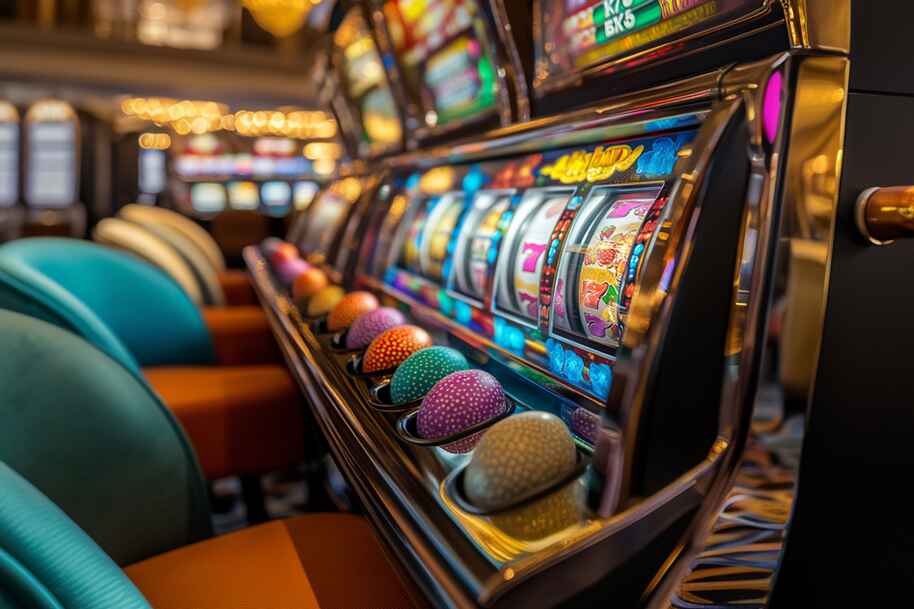
Across cultures, this emotional pattern is universal. Whether it’s a lottery ticket in Europe, a mahjong table in Asia, or a street dice game in South America, the underlying thrill is identical. Different rules, same heartbeat. That’s a big reason for the games of chance popularity worldwide they plug directly into a shared human response system.
Gambling Across Cultures: Different Rules, Same Hope
Change the language, the currency, and the food but the superstition stays suspiciously familiar. One of the most interesting things about gambling across cultures is how differently it’s framed yet how emotionally consistent it remains. In some cultures, gambling is social and communal. In others, it’s private and quiet. Some societies treat it as celebration, others as taboo, and many as both at the same time.
In East Asia, traditional games of chance often emphasize strategy blended with luck, reinforcing values of patience and observation. In parts of Europe, chance-based games historically thrived in taverns and public spaces, becoming part of social bonding. Indigenous cultures across the world developed traditional games of chance around the world tied to seasonal rituals, storytelling, and community gatherings.
Despite these differences, the reason people play rarely changes. People enjoy the tension, the shared experience, the momentary escape from predictability. The social and cultural reasons for gambling often outweigh the financial ones. It’s about participation, storytelling (“remember that time…”), and belonging.
In other words, games of chance don’t just offer a possible win they offer a shared emotional language.
Chance as a Cultural Mirror
How a culture gambles tells you more about it than how it eats breakfast. The cultural significance of games of chance goes far beyond entertainment. They often reflect how societies view fate, control, responsibility, and risk. Cultures that emphasize destiny may frame gambling as inevitable. Cultures that value individual control may focus on skill overlays and personal strategy even in chance-heavy games.
Some societies see gambling as a moral test. Others see it as harmless fun. Some associate it with celebration, others with cautionary tales. Yet in every case, chance-based games act as a mirror: they show how people feel about uncertainty in life itself.
That’s why how different cultures view gambling matters. In many places, playing responsibly is framed as wisdom. In others, restraint is admired but participation is still normalized. These views shape not only laws and traditions, but also how people emotionally interact with risk on a daily basis.
The Universal Truth No Culture Escapes
No matter the culture, someone always says, “I had a feeling about this one.” Here’s the big secret behind why games of chance are popular across cultures: they give structure to uncertainty. Life is unpredictable. Success is unfair. Timing is everything. Games of chance compress all of that chaos into a simple moment with clear rules. You play, something happens, and you move on win or lose.
That clarity is comforting. It makes randomness feel manageable. It gives people a way to practice dealing with uncertainty without real-world consequences (most of the time). And psychologically, that’s incredibly powerful. In short, people don’t just enjoy games of chance they need them.
Conclusion: Luck Speaks Every Language
If luck had a passport, it wouldn’t need a visa anywhere it’s already invited in. When you strip away the rules, the currencies, the traditions, and the rituals, the truth is simple: games of chance survive across cultures because they speak directly to something deeply human. They give shape to uncertainty, excitement to routine, and meaning to randomness. Whether wrapped in ancient rituals or modern apps, they tap into the same emotional core hope, anticipation, and the irresistible thought that this moment could be different.
The psychology behind games of chance explains why people keep coming back, but culture explains how they play, when they play, and what it means to them. From community bonding and storytelling to personal escape and emotional release, the social and cultural reasons for gambling go far beyond winning or losing. Games of chance are less about beating odds and more about feeling alive inside them.
That’s why chance-based games worldwide aren’t fading they’re evolving. As long as humans wonder “what if?”, games of chance will remain part of our stories, our gatherings, and our cultures.
Today, that same ancient thrill lives on in digital form. Players around the world bring their traditions, instincts, and lucky rituals online spinning, tapping, and chasing that familiar rush on platforms like Eternal Slots, where chance meets modern convenience. And if you’re curious how technology reshaped this experience, don’t miss our blog “Why Mobile Casino Gaming Is Now the Top Choice for Players” it dives into why the global love for games of chance fits perfectly in your pocket.
Now your turn:
Do you think games of chance are more about luck, emotion, or culture where you come from and has your view changed over time?
Drop a comment and let’s compare how chance looks from different corners of the world












Leave A Reply